
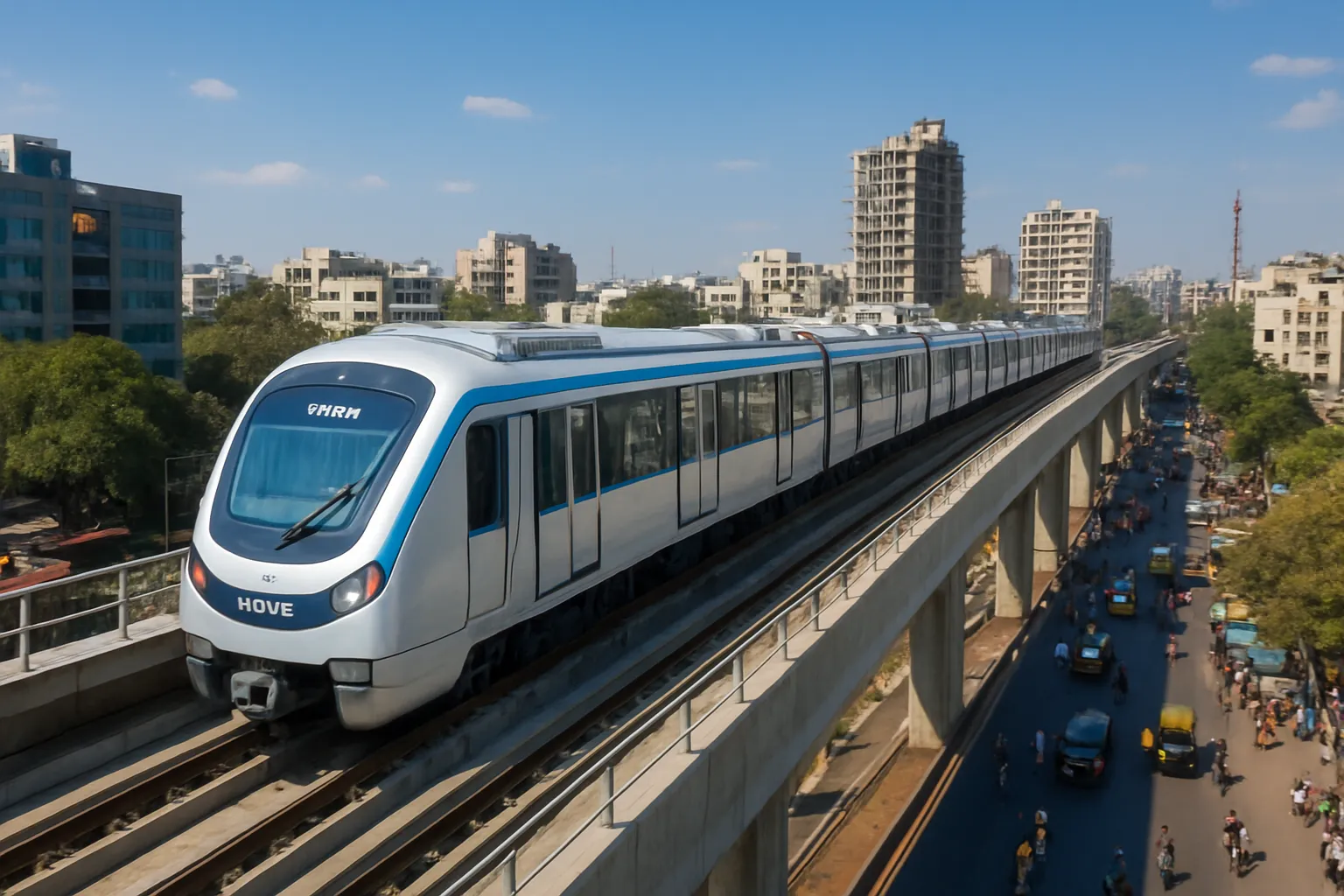
The Pune Metro Line 3 is poised to become a cornerstone of urban transportation in Pune, with its grand inauguration scheduled for November 3, 2026, by Prime Minister Modi. This 23.2-kilometer Pink Line is a pivotal element in India’s ambitious plan to expand its metro rail network, enhancing connectivity and easing urban mobility challenges.
In parallel, the Chennai Metro Rail has achieved a significant milestone by reducing the travel time on the Poonamallee-Vadapalani stretch. This improvement in urban mobility underscores the ongoing efforts to enhance the efficiency of the metro systems across major Indian cities.
Pune Metro Line 3 Overview
The Pune Metro Line 3 is a 23.2-kilometer route designed to transform the public transportation landscape in Pune. This Pink Line will connect various key areas, offering a new, efficient mode of transit for daily commuters. The route’s strategic planning aims to alleviate traffic congestion and promote sustainable urban development.
This expansion is part of India’s broader initiative to extend its metro rail network from 248 kilometers to a staggering 1,200 kilometers. By providing a modern, reliable, and eco-friendly commuting option, the Pune Metro Line 3 is expected to benefit both commuters and local businesses, fostering economic growth and improved accessibility.
The new line not only enhances connectivity but also promises to reduce travel times significantly, making it a preferred choice for daily travel. This development is anticipated to stimulate local economies by increasing foot traffic in commercial areas along its route, thereby benefiting small and medium enterprises.
PM Modi’s Role in Metro Expansion
Prime Minister Modi has been a vital proponent of metro rail projects, consistently emphasizing their importance in modernizing India’s urban transport infrastructure. His administration has prioritized metro development as part of a larger agenda to boost urban mobility and economic growth.
PM Modi has often highlighted the significance of expanding the metro network, citing it as a testament to effective governance under the NDA’s leadership. The current push to grow the network to 1,200 kilometers is a direct result of these policies, aimed at improving the quality of life in urban areas.
Such government initiatives have made a substantial impact on the development of metro systems, with the Pune Metro Line 3 being a prime example. These projects are expected to revolutionize urban transport, reduce travel times, and decrease traffic congestion in cities across the country.
Chennai Metro’s Recent Achievements
The Chennai Metro Rail’s recent success in reducing travel time on the Poonamallee-Vadapalani stretch has been well-received. Previously, this journey was considerably longer, but now it takes approximately half an hour, showcasing a significant improvement.
This reduction in travel time is a testament to the efficiency improvements being implemented within the Chennai Metro system. Such advancements not only enhance passenger convenience but also contribute to less crowded roads and better urban mobility.
Commuters have responded positively to these changes, appreciating the quicker transit times that enhance their daily routines. The improved schedule is likely to encourage more residents to opt for metro travel, further easing vehicular congestion in Chennai.
The Future of Metro Rail in India
India’s vision to expand its metro rail network to 1,200 kilometers is ambitious but achievable, with numerous upcoming projects planned across various cities. This expansion is crucial for accommodating the growing urban population and improving overall mobility.
- Upcoming projects include lines in cities like Bengaluru and Jaipur.
- Focus on sustainable and eco-friendly metro solutions.
- Challenges include funding and infrastructure development.
While these projects present opportunities for enhanced urban transportation, they also pose challenges such as land acquisition and financial investment. Addressing these issues will be essential for realizing the full potential of the metro rail expansion.
Public Reception of Metro Developments
The general public sentiment towards the metro expansions has been overwhelmingly positive. Many see these developments as a solution to the chronic traffic congestion plaguing urban areas.
Commuters anticipate that the Pune Metro Line 3 will drastically change their commuting habits, offering a faster, more reliable alternative to road travel. Testimonials from daily commuters highlight the convenience and efficiency expected from the new metro lines.
As more people experience the benefits of metro travel, it is likely that reliance on private vehicles will decrease, contributing to less congested streets and a cleaner environment.
Environmental Impact of Metro Rail
The expansion of metro rail systems is a significant step towards reducing pollution levels in urban areas. By offering a cleaner alternative to road transportation, metros can play a vital role in sustainable urban development.
Government initiatives promoting metro systems are part of a larger strategy to encourage eco-friendly travel options. These efforts align with global trends towards reducing carbon footprints and fostering sustainable urban growth.
The adoption of metro systems as a primary mode of transport will help cities meet their environmental goals, contributing to a healthier planet while improving urban mobility.
Comparison with Other Cities
The Pune Metro Line 3 is expected to compare favorably with other major cities’ metro systems in India, such as Delhi and Mumbai. These cities offer valuable lessons on the implementation and operation of large-scale metro projects.
By learning from the successes and challenges faced by cities like Delhi, Pune can develop a robust and efficient metro system. Collaboration between cities on metro projects could further enhance the effectiveness and reach of these systems.
As Pune joins the ranks of cities with extensive metro networks, it will contribute significantly to India’s urban mobility landscape, setting a benchmark for future developments.
Frequently Asked Questions
What is Pune Metro Line 3?
Pune Metro Line 3 is a 23.2-kilometer Pink Line aimed at improving urban transport in Pune, set to be inaugurated by PM Modi.
When will PM Modi inaugurate the Pune Metro Line 3?
PM Modi will inaugurate the Pune Metro Line 3 on November 3, 2026, marking a significant milestone in urban mobility.
What are the benefits of the Pune Metro expansion?
The expansion is expected to reduce travel times, improve connectivity, and ease traffic congestion in Pune.
How does the Pune Metro compare to other metro systems in India?
Pune Metro aims to match the efficiency and reach of established systems like those in Delhi and Mumbai, contributing to India’s overall metro expansion.
For more information, visit Metro Rail News.
Conclusion
The Pune Metro Line 3 represents a transformative step in Pune’s urban transport landscape. With its inauguration by PM Modi, the city is poised to become a model for efficient public transportation in India. As part of the broader metro rail expansion, this line will not only improve connectivity but also set a precedent for future developments, aligning with the country’s vision for sustainable and modern urban mobility. The success of this project will be a testament to India’s commitment to enhancing its public transport infrastructure.