
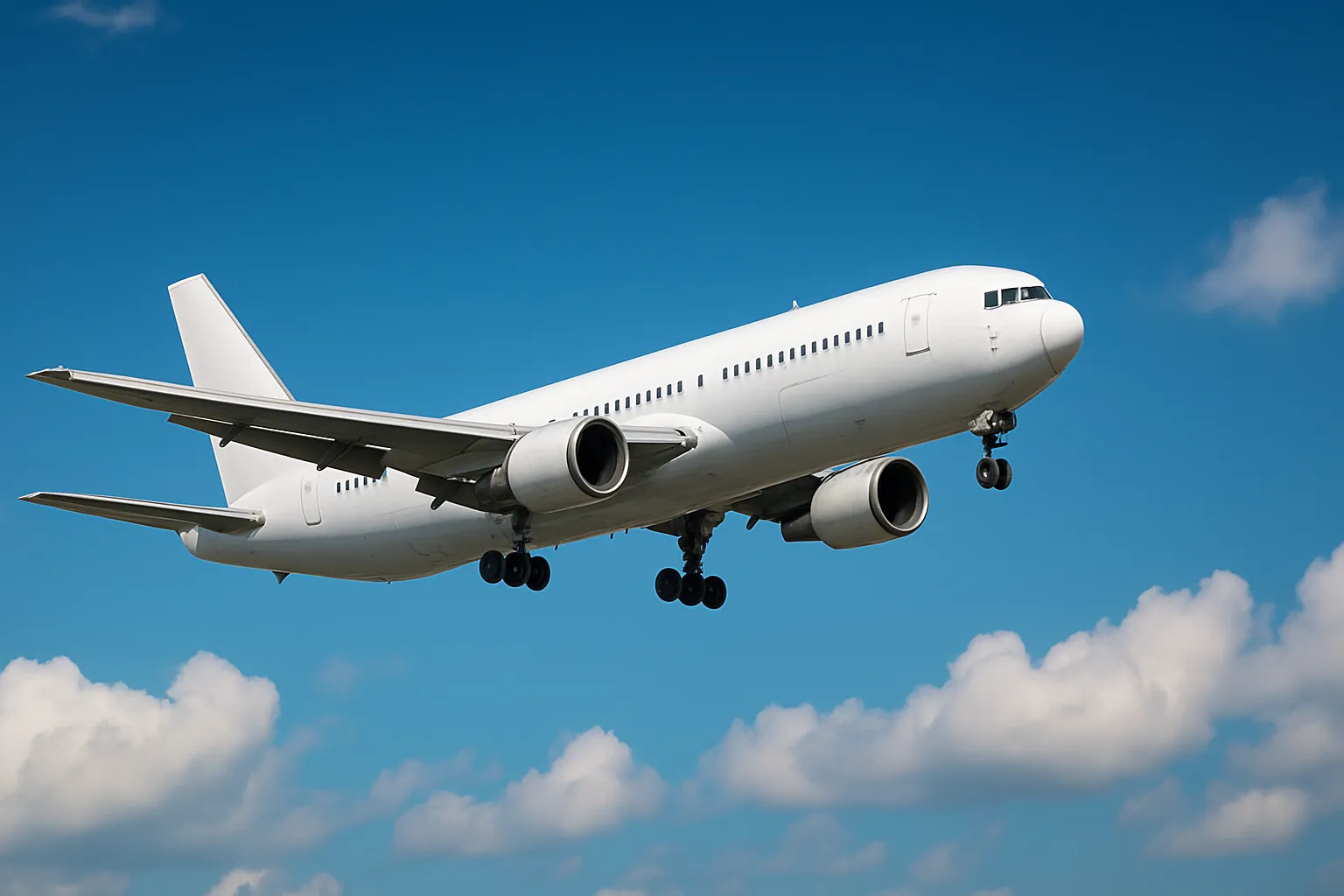
The Indian government is set to acquire six Boeing 767 tanker aircraft to bolster its aerial refueling capabilities, an essential step in modernizing its defense forces. This decision underscores India’s commitment to enhancing the operational efficiency of the Indian Air Force (IAF) in response to the growing demand for advanced aerial support systems. The acquisition forms part of a broader strategy to update the IAF fleet, ensuring readiness in modern warfare scenarios.
With the Boeing 767’s proven track record in the military sector, the IAF aims to harness its capabilities to meet strategic objectives. As global military dynamics evolve, aerial refueling has become a pivotal aspect of maintaining a robust defense apparatus. India’s move reflects a proactive approach to ensuring its forces remain agile and responsive in complex operational theaters.
Boeing 767 tanker aircraft: A Strategic Acquisition for India
Boeing 767 tanker aircraft are renowned for their refueling capabilities, which allow them to support various military operations. These aircraft are equipped with advanced fuel management systems, enabling them to refuel multiple aircraft types in mid-air, thereby extending their operational range significantly. The versatility and reliability of the Boeing 767 make it a strategic asset for any air force.
The importance of aerial refueling in modern warfare cannot be overstated. It enables air forces to project power over greater distances, maintain aircraft on station longer, and conduct sustained air operations without the constant need to return to base. This capability is vital for maintaining air superiority and supporting ground troops during extended missions.
India’s planned acquisition of six Boeing 767 tanker aircraft is a testament to its strategic foresight. By incorporating these advanced tankers into its fleet, the Indian Air Force aims to address existing operational gaps and enhance its ability to conduct long-range missions effectively. This acquisition is part of a broader initiative to modernize the Indian Air Force’s fleet and ensure its operational readiness in evolving combat scenarios.
India Air Force’s Current Fleet and Needs
The Indian Air Force’s current fleet comprises a diverse range of aircraft, including fighter jets, transport planes, and older tanker models. However, the demand for more advanced aerial refueling capabilities has become increasingly apparent. The existing fleet faces challenges such as limited range and endurance, which can hinder operational effectiveness in extended missions.
Refueling operations have been a critical area of focus for the IAF, and the introduction of the Boeing 767 tanker aircraft is expected to alleviate these challenges. The 767’s advanced systems and larger fuel capacity will allow the IAF to conduct more efficient and effective refueling missions, thereby increasing the operational range of its combat aircraft.
By addressing these challenges, the Boeing 767 will play a crucial role in enhancing the IAF’s strategic capabilities. The aircraft’s ability to support a wide range of missions will ensure that the Indian Air Force remains a formidable force in regional and global military operations.
Boeing 767: A Proven Military Asset
The Boeing 767 has a rich history of military service, having been employed by several air forces worldwide. Its robust design and versatile capabilities have made it a reliable choice for aerial refueling missions. The aircraft’s performance in military roles has been consistently praised, highlighting its effectiveness in supporting various air operations.
Compared to other aerial refueling aircraft, the Boeing 767 offers a unique combination of capacity, range, and reliability. Its ability to operate in diverse environments and support different aircraft types sets it apart from other models. Countries like the United States have successfully integrated the Boeing 767 into their air forces, demonstrating its adaptability and effectiveness in real-world scenarios.
Success stories from other nations further validate the Boeing 767’s capabilities. For instance, the United States Air Force has utilized the KC-767 variant for numerous refueling missions, showcasing its operational excellence. This track record reinforces the aircraft’s reputation as a proven military asset, capable of meeting the demands of modern warfare.
Defense Modernization Efforts in India
India’s defense modernization efforts are aimed at transforming its military capabilities to meet contemporary security challenges. These initiatives encompass a wide range of upgrades, from acquiring advanced weaponry to enhancing logistical support systems. The introduction of Boeing 767 tanker aircraft is a crucial component of this broader strategy.
International partnerships play a significant role in India’s military upgrades. Collaborations with global defense companies, such as Boeing, enable the Indian military to access cutting-edge technology and expertise. These partnerships are instrumental in ensuring that India’s defense forces remain competitive on the global stage.
Looking ahead, the Indian Air Force’s capabilities are expected to evolve significantly. With the integration of advanced aircraft like the Boeing 767, the IAF will be better equipped to address emerging threats and maintain strategic superiority. These modernization efforts will ensure that India’s defense apparatus remains robust and responsive to future challenges.
Economic Impact of Military Acquisitions
The acquisition of Boeing 767 tanker aircraft represents a substantial financial investment, but it also offers significant economic benefits. The procurement process will likely stimulate the local aerospace industry, creating job opportunities and fostering technological advancements. These economic impacts are crucial for sustaining growth and innovation within the sector.
Moreover, the integration of advanced military aircraft will enhance national security, providing long-term benefits that extend beyond immediate operational needs. A strong defense capability is a vital component of economic stability, as it ensures the protection of national interests and supports international trade and investment.
The long-term benefits of acquiring Boeing 767 tanker aircraft extend to both the economy and national security. By reinforcing its military capabilities, India is poised to strengthen its strategic position in the region and maintain a secure environment for economic growth and development.
Challenges and Considerations Ahead
While the acquisition of Boeing 767 tanker aircraft presents numerous advantages, it also involves potential hurdles. The procurement process requires careful planning and execution to address logistical, technical, and financial challenges. Ensuring the seamless integration of these aircraft into the existing fleet is a critical consideration.
Political and strategic considerations also play a role in military acquisitions. Balancing national security needs with fiscal responsibility is essential, as is maintaining public support for defense spending. These factors must be carefully managed to ensure the success of the acquisition process.
- Logistical challenges in integrating new aircraft
- Ensuring technical compatibility with existing systems
- Maintaining public support for defense spending
Public opinion on military spending can influence the acquisition process. Transparent communication about the strategic importance of the Boeing 767 tanker aircraft and their role in enhancing national security will be crucial for garnering public support.
Frequently Asked Questions
What are Boeing 767 tanker aircraft used for?
Boeing 767 tanker aircraft are primarily used for aerial refueling, allowing military aircraft to extend their range and operational capabilities during missions.
Why is India acquiring Boeing 767 tanker aircraft?
India is acquiring Boeing 767 tanker aircraft to enhance its aerial refueling capabilities, which are crucial for modern military operations and to support the Indian Air Force’s fleet.
How does aerial refueling benefit the Indian Air Force?
Aerial refueling extends the operational range of fighter jets and bombers, allowing them to engage in longer missions without the need to return to base for refueling.
What is the timeline for the acquisition of these aircraft?
The timeline for the acquisition of Boeing 767 tanker aircraft is currently under discussion, with plans expected to be finalized in the near future as part of India’s defense modernization strategy.
For more information, visit Boeing Defense Official Website.
Conclusion
The acquisition of Boeing 767 tanker aircraft marks a significant step in India’s defense modernization efforts. By enhancing its aerial refueling capabilities, the Indian Air Force is poised to improve its operational efficiency and strategic reach. This move underscores the importance of maintaining a robust and agile defense apparatus in today’s dynamic security environment. As India continues to invest in its military capabilities, the Boeing 767 tanker aircraft will play a pivotal role in ensuring national security and supporting the country’s strategic objectives.