
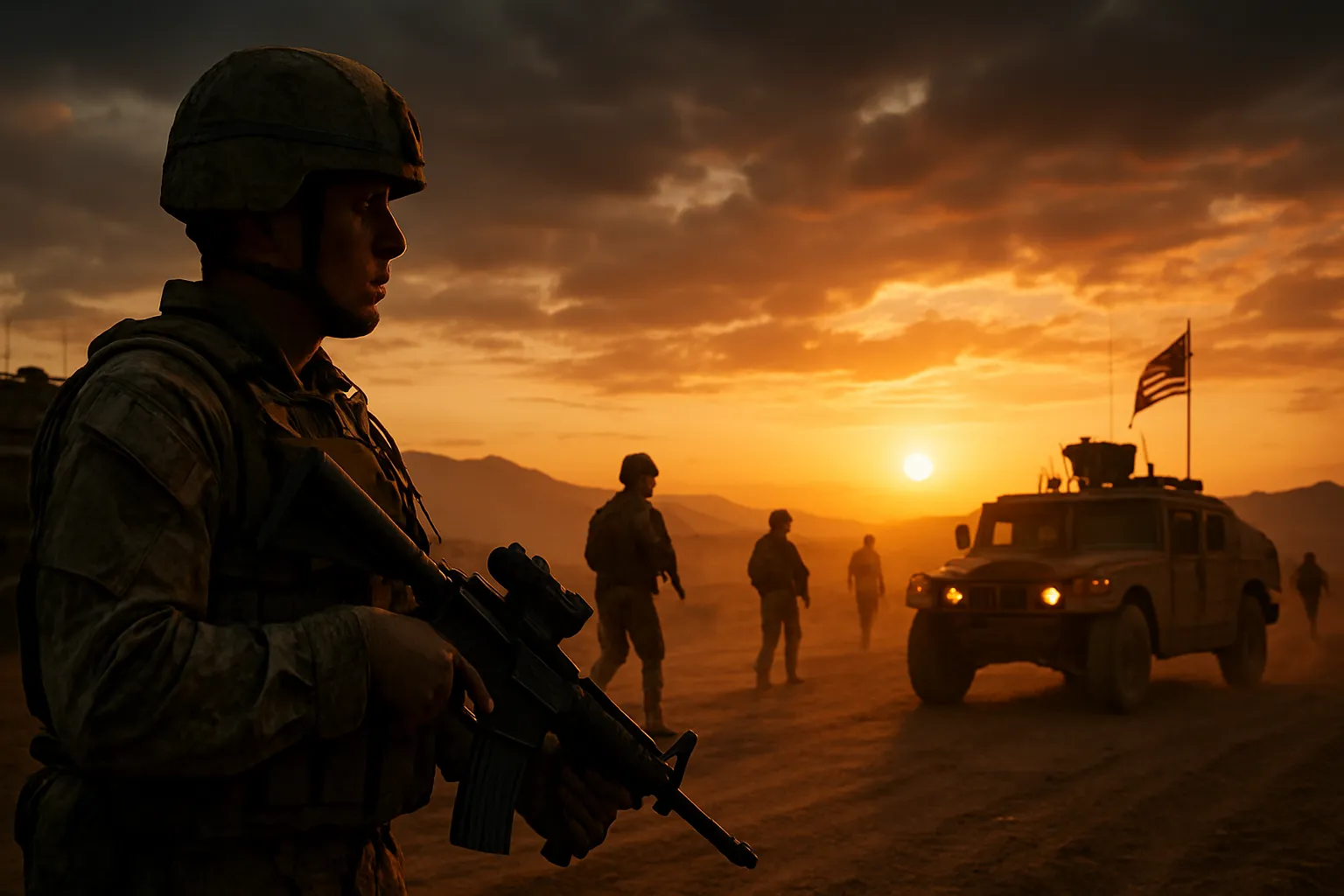
The Trump Iran War has captured global attention as former President Donald Trump recently made bold statements regarding the conflict. His remarks about potentially ‘blowing up’ Iran have caused widespread concern. Though he later mentioned that new military strikes would be paused, the initial comments have already ignited a heated debate within the political landscape and prompted reactions from various quarters.
Trump’s statements have led to significant discussions among Republican leaders, with some reconsidering their support for him. The ongoing conflict with Iran has brought Trump’s foreign policy decisions under scrutiny, highlighting the complexities of international relations and military strategy. The situation remains fluid, with many watching closely to see how it unfolds.
Trump Iran War: Key Developments
Donald Trump’s controversial remarks about potentially ‘blowing up’ Iran have significantly impacted the narrative surrounding the Trump Iran War. These comments have intensified discussions around the U.S. military’s engagement in Iran, raising questions about the implications of such aggressive rhetoric. While Trump later stated that there would be a delay in fresh military actions, the initial threat has already set the stage for potential future conflicts.
Recent military actions have further complicated U.S.-Iran relations. The strikes have not only affected diplomatic communications but have also escalated tensions, making the prospect of peaceful negotiations more challenging. Trump’s aggressive stance, coupled with his recent decision to put new strikes on hold, reflects a complex strategic approach that has both its supporters and detractors.
The Republican Party is experiencing internal divisions over Trump’s handling of the Iran conflict. While some members are steadfast in their support, others are beginning to question the long-term impacts of such foreign policy decisions. This internal rift could have significant implications for Trump’s political support and the party’s future direction.
Iran Conflict Updates
The Iran conflict remains a focal point of international concern. The ongoing war, exacerbated by recent U.S. military strikes, has strained relations between the two nations. Trump’s decision to delay further military action has provided a temporary respite, but it has not resolved the underlying tensions.
The impact of U.S. military actions on Iranian relations is profound. Diplomatic channels have become more strained, and the potential for a peaceful resolution seems distant. The conflict’s continuation has led to increased scrutiny from global leaders and organizations, demanding a strategic reevaluation of goals and methods.
Public opinion on the war is largely negative, with many Americans expressing frustration over the prolonged military engagement. The desire for a swift and peaceful resolution is growing, reflecting a broader sentiment of war-weariness among the populace. This public sentiment could influence future political decisions and strategies regarding the Iran conflict.
Trump’s Foreign Policy Strategy
Trump’s foreign policy strategy, particularly in the context of the Trump Iran War, showcases a departure from previous administrations. His approach often emphasizes direct military action and aggressive rhetoric, aiming to project strength and resolve on the international stage.
Comparatively, previous administrations have tended to favor diplomatic channels and multilateral engagements. Trump’s strategy, while appealing to certain segments of the American population, has raised concerns about the risk of escalating conflicts and destabilizing international relations.
Reactions from international leaders to Trump’s foreign policy have been mixed. Some have criticized his methods as too aggressive, potentially endangering global stability. Others have expressed support for his decisive actions, acknowledging the challenges posed by Iran’s policies. The international community continues to monitor the situation closely, wary of the broader implications.
Republican Party’s Response to Trump
The Republican Party’s response to Trump’s handling of the Iran conflict highlights internal divisions. While some members continue to support Trump’s aggressive foreign policy, others are increasingly critical, concerned about the long-term impacts on the party’s reputation and electoral prospects.
Key figures in the party have started to distance themselves from Trump’s stance, fearing that his decisions might alienate critical voter bases. This rift is evident in recent debates and discussions within the party, as members grapple with aligning their foreign policy views with electoral strategies.
- Some Republicans are advocating for a return to more traditional diplomatic approaches.
- Others are pushing for a more nuanced foreign policy that balances military action with diplomatic engagement.
The potential impact on upcoming elections is significant. As the party navigates these internal challenges, its ability to present a unified front on foreign policy issues could influence voter perceptions and outcomes in future elections.
Media Coverage of Trump and Iran
Media coverage of the Trump Iran War has played a crucial role in shaping public perception. The portrayal of Trump’s actions and statements in major news outlets has varied, with some emphasizing the risks of his aggressive strategies, while others highlight his decisive leadership.
Public reactions to news coverage have been equally diverse. Supporters of Trump often view the media’s portrayal as biased, while critics believe the coverage accurately reflects the potential dangers of his foreign policy. This dichotomy underscores the challenges of navigating media narratives in a polarized political climate.
Social media platforms have further amplified these discussions, allowing individuals to share their opinions and engage in debates. The role of social media in shaping opinions cannot be underestimated, as it often serves as a primary source of information for many Americans.
Public Sentiment on the Iran War
Poll results indicate a growing dissatisfaction among Americans regarding the ongoing Iran conflict. Many express concerns over the potential for prolonged military engagement, fearing the impact on both national security and economic stability.
The concerns are not unfounded, as the continuation of the conflict could have far-reaching implications. The prospect of an extended war raises questions about resource allocation, military readiness, and the overall direction of U.S. foreign policy. These issues are central to discussions about the country’s future strategic objectives.
Expectations for future developments remain uncertain. While some hope for a diplomatic resolution to the conflict, others brace for the possibility of continued military actions. The resolution of the Trump Iran War will likely depend on a combination of strategic diplomacy and tactical military decisions.
Looking Ahead: What’s Next for US-Iran Relations?
Predicting the future of the Trump Iran War is challenging, given the complex dynamics at play. Potential diplomatic solutions are being explored, but the path to a peaceful resolution is fraught with obstacles.
The implications for global stability are significant. As the conflict continues, the risk of broader regional instability looms large. Efforts to de-escalate tensions and foster dialogue will be crucial in preventing further escalation and ensuring a sustainable peace.
Future U.S.-Iran relations will likely hinge on the ability of both nations to find common ground. Strategic negotiations, coupled with international support, could pave the way for a resolution that addresses the core issues driving the conflict.
Frequently Asked Questions
What did Trump say about Iran recently?
Trump suggested he may take aggressive military action against Iran, including the possibility of ‘blowing up’ the country, although he later stated he would hold off on new strikes.
How is the Republican Party reacting to Trump’s statements?
There are signs of division within the Republican Party, with some members reconsidering their support for Trump due to his controversial foreign policy decisions regarding Iran.
What is the current status of the Iran conflict?
The Iran conflict remains ongoing, with recent U.S. military actions intensifying tensions, and public sentiment showing a desire for a resolution.
What are the implications of Trump’s foreign policy?
Trump’s foreign policy, particularly regarding Iran, raises concerns about potential escalation of conflict and its impact on U.S. relations with other countries.
For more information, visit Reuters.
Conclusion
The Trump Iran War continues to be a significant point of contention in both domestic and international arenas. With Trump’s aggressive rhetoric and the ongoing military actions, the potential for escalation remains high. As the situation develops, the decisions made by U.S. leaders will have profound implications for global stability. The need for a balanced approach that incorporates both diplomatic and military strategies is more critical than ever to ensure a peaceful resolution to the conflict.