
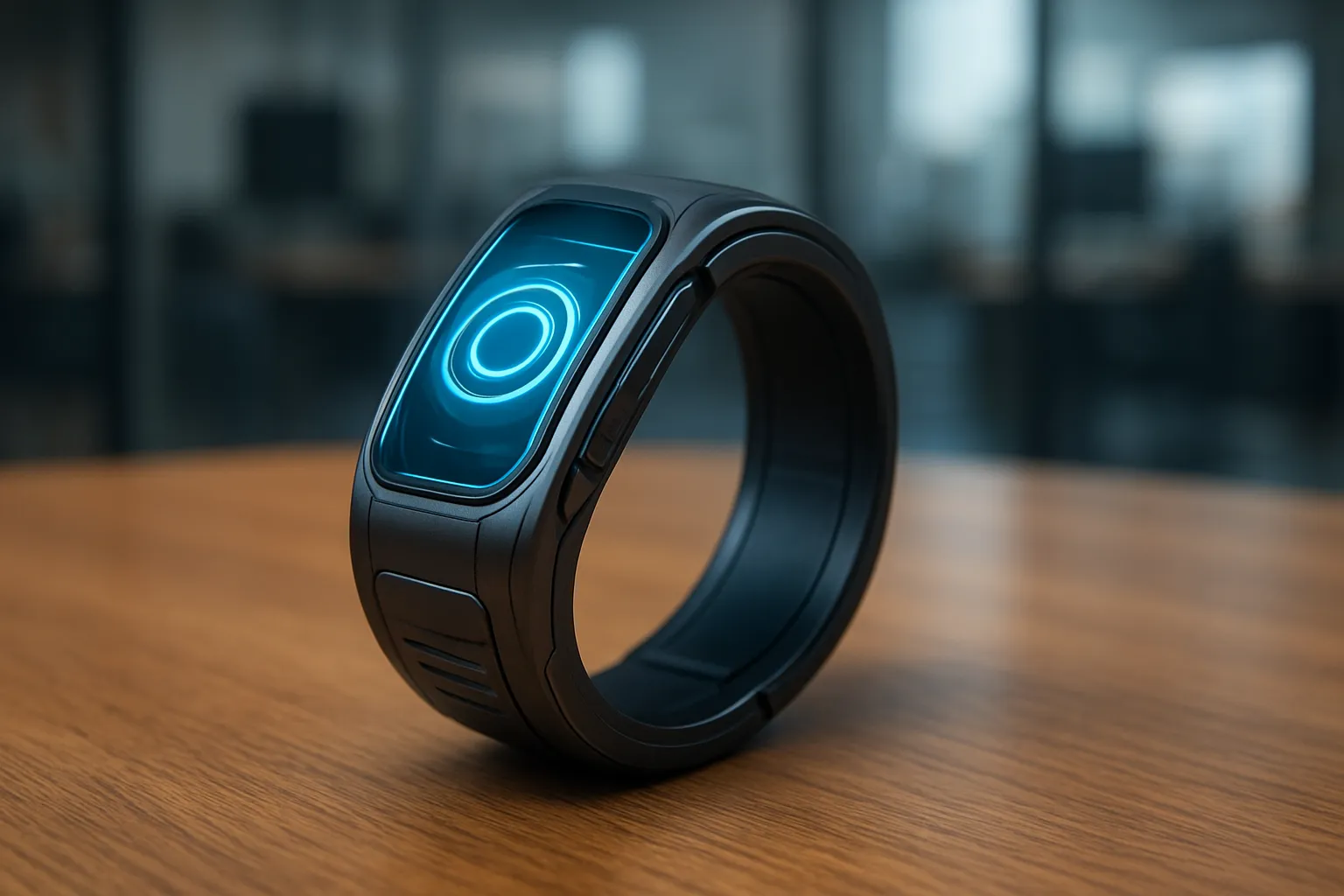
The Deepinder Goyal Temple device has recently become a focal point in the tech and health industries. This wearable, priced at ₹85,000, claims to track brain health, yet it has garnered a fair amount of skepticism from the medical community. Despite the doubts, Deepinder Goyal, the CEO of Zomato, stands firm in defending the device’s efficacy, revealing a hefty investment of over ₹188 crore in its development.
While the Temple device aspires to redefine health monitoring, some tech enthusiasts have managed to reverse-engineer it, questioning its uniqueness. The public’s response is mixed, with conversations surrounding its price and scientific validation continuing to dominate discussions.
Deepinder Goyal Temple: Overview and Claims
The Deepinder Goyal Temple is introduced as a revolutionary wearable device designed specifically for tracking brain health. Priced at ₹85,000, it targets an audience interested in advanced personal health monitoring technology. This device aims to provide users with insights into their brain’s performance and health status, marking a bold step into the niche market of brain health wearables.
Deepinder Goyal claims that the device is equipped with cutting-edge technology capable of capturing brain activity metrics, which can be crucial for understanding mental health conditions. The Temple device is being positioned as an essential tool for anyone serious about their cognitive well-being. Its high price tag reflects the sophistication of the technology and the niche market it is intended for, setting it apart from more generic health trackers.
Investment and Development of the Temple Device
The journey of the Deepinder Goyal Temple device from concept to market launch involved substantial financial and technological investment. Goyal has disclosed that over ₹188 crore has been poured into the development phase, signaling a significant commitment from Zomato. This funding has been directed towards research, development, and testing to ensure the device meets high standards of accuracy and reliability.
Technological innovations in the Temple include advanced sensors and algorithms designed to interpret brain signals. The development timeline spans several years, with its official launch occurring recently amidst much anticipation. The device’s unveiling marks a milestone in Goyal’s vision to integrate technology with health, reflecting a broader trend within the industry towards personalized health solutions.
Medical Community’s Response to Temple
The introduction of the Deepinder Goyal Temple device has been met with skepticism from the medical community. Doctors and health experts have raised concerns about the scientific validity of the claims made about its brain health tracking capabilities. Many in the medical field are calling for robust clinical trials and peer-reviewed studies to substantiate the device’s effectiveness.
Concerns mainly revolve around the lack of empirical evidence supporting the device’s claims. Notable medical professionals have voiced the need for transparency in the data and methodologies used to develop the Temple. This skepticism highlights the ongoing tension between technological innovation and scientific validation, especially in health tech.
Public Reception and Criticism
Public response to the Deepinder Goyal Temple device has been varied. While some tech enthusiasts appreciate the innovation, others question its practical utility and price point. Media coverage has been extensive, with the device becoming a topic of public discourse. Critics have pointed out the steep pricing, which may limit accessibility to a broader audience.
Reactions from the public have also included skepticism regarding the device’s real-world application and effectiveness. The high cost is a significant barrier for many potential users, leading to debates about whether the device offers value for money. Such criticism is shaping the narrative around the Temple device, influencing its market reception.
Reverse Engineering of the Temple Device
A noteworthy development in the story of the Deepinder Goyal Temple is its reverse engineering by a techie from Bengaluru. This individual successfully recreated the device’s functionality using a laptop, raising questions about the proprietary nature of its technology. Goyal responded to this feat with acknowledgment, stating, “Nicely done.”
This incident highlights potential vulnerabilities in the device’s technology, sparking discussions about its uniqueness and security. The reverse engineering suggests that while the technology may be sophisticated, it is not beyond the reach of skilled tech enthusiasts. This could have implications for the device’s market position and intellectual property protection strategies.
Comparisons with Other Wearable Technologies
The Deepinder Goyal Temple is entering a competitive market saturated with various health tracking devices. Compared to existing wearables, Temple aims to provide more specialized insights into brain health, a relatively unexplored area in consumer tech. However, its success will depend on its ability to offer distinct advantages over established brands.
- Specialized brain health tracking
- High price point
- Potential for market disruption
In the broader health tech industry, the Temple device’s future developments could include enhancements in accuracy and user experience. The market position of the Temple will depend on its ability to maintain innovation while addressing consumer and expert concerns. The device’s launch could inspire further advancements in wearable technology, particularly in personalized health monitoring.
Future Prospects for Deepinder Goyal’s Temple
As the Deepinder Goyal Temple device navigates its early market phase, predictions about its success or failure abound. The device’s reception will likely influence future improvements and updates, aiming to address both consumer expectations and medical skepticism. Potential upgrades could enhance its capabilities and broaden its appeal.
Goyal’s long-term vision for the Temple involves establishing it as a staple in health tech, potentially leading to further innovations in wearable devices. The device’s journey will be closely watched, as its performance could set a precedent for future tech-health integrations. The evolution of the Temple device will be crucial in determining its lasting impact on the industry.
Frequently Asked Questions
What is the Temple device by Deepinder Goyal?
The Temple is a wearable device introduced by Deepinder Goyal, aimed at tracking brain health. It is priced at ₹85,000 and has sparked both interest and skepticism.
Why are doctors skeptical about the Temple device?
Doctors have raised concerns about the scientific validity of the claims made by the Temple device, questioning its effectiveness in tracking brain health.
How much has been invested in the Temple device?
Deepinder Goyal has stated that over ₹188 crore has been invested in the development of the Temple device, highlighting its importance to Zomato’s future.
Can the Temple device really track brain health?
While the Temple device claims to track brain health, medical professionals are calling for more evidence and studies to support these claims.
Conclusion
The Deepinder Goyal Temple device represents a bold venture into the intersection of technology and health. While it aspires to revolutionize brain health monitoring, it faces significant challenges, particularly in gaining scientific endorsement and public trust. As discussions continue, the device’s future will depend on its ability to adapt and prove its claims. The success of the Temple could pave the way for similar innovations, driving further exploration in health tech. For more details, Read more about Deepinder Goyal’s Temple on The Hindu.