
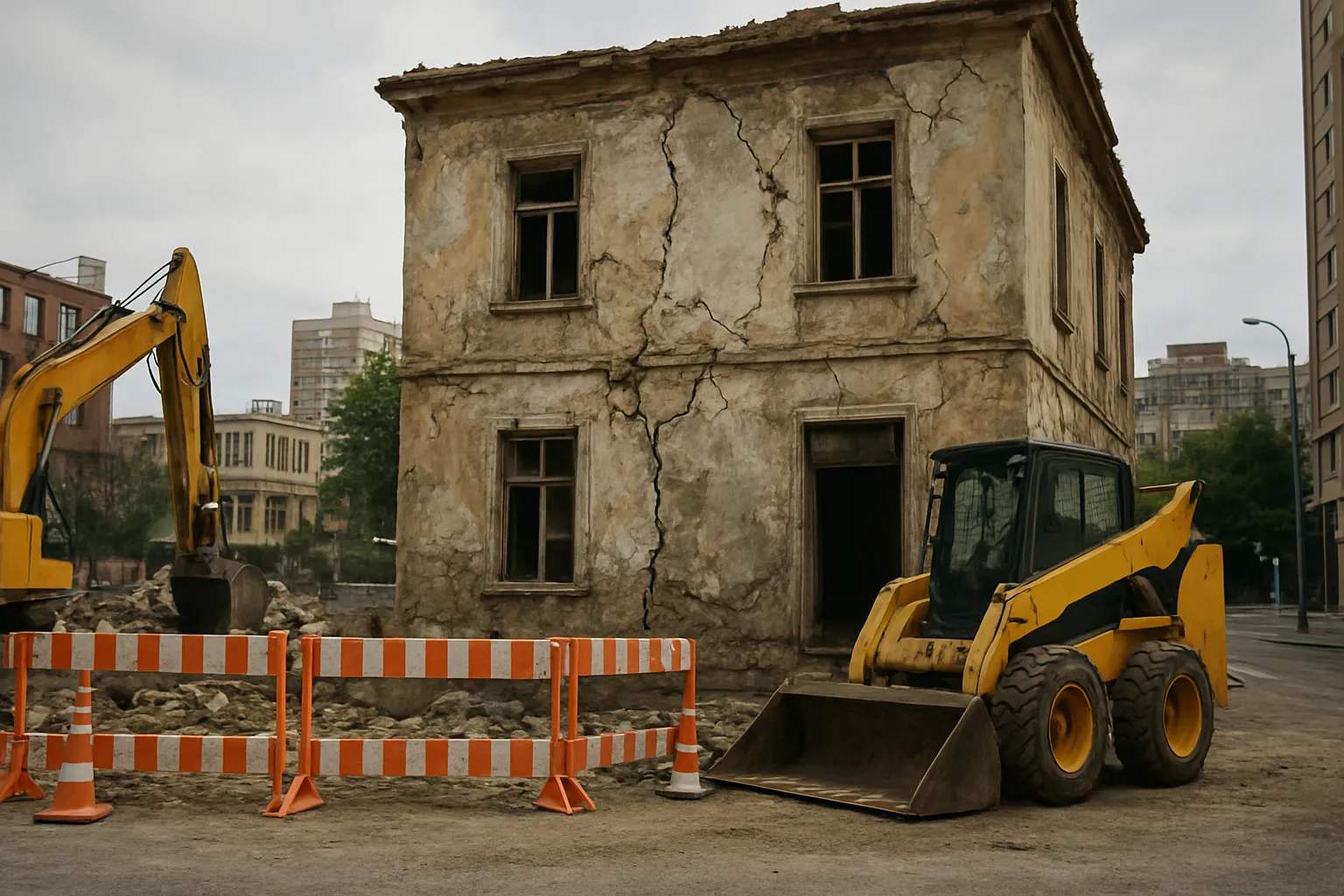
Repairing dilapidated buildings has become a critical concern in Delhi, as highlighted by a recent directive from the Delhi High Court. The court has instructed the Municipal Corporation of Delhi (MCD) to address this pressing issue despite the restrictions imposed by the Graded Response Action Plan (GRAP). This directive underscores the urgent need to prioritize public safety, as these deteriorating structures pose a significant risk to the residents.
The court’s directive arises amidst growing concerns about the safety of these buildings, particularly under the constraints of GRAP. The directive aims to ensure that the MCD takes immediate and effective action to prevent any potential disasters resulting from the further deterioration of these structures.
Repairing Dilapidated Buildings: Court’s Directive
The Delhi High Court’s directive to the MCD focuses on repairing dilapidated buildings, which are increasingly posing threats to public safety. With the onset of GRAP-related restrictions, the court has emphasized the need for the MCD to prioritize these repairs effectively. The court’s decision is a response to the urgent concerns about the safety of residents living in these unsafe structures.
The significance of addressing dilapidated buildings is paramount, as these structures are often at risk of collapse, posing a threat to life and property. The court has expressed a clear expectation for the MCD to act swiftly and responsibly, ensuring that no further harm comes to the residents due to neglect.
In the context of GRAP, which imposes certain restrictions to combat pollution, the challenge lies in balancing these environmental measures with the necessity of urgent building repairs. The court’s directive is a call to action for the MCD to navigate these complexities and prioritize public safety.
Implications of the High Court’s Order
The High Court’s order has significant implications for residents living in unsafe buildings. It underscores the legal responsibilities of the MCD to act promptly and prevent potential accidents. The court has made it clear that the safety of residents must be the top priority.
Timely action is crucial in preventing accidents that could lead to injuries or fatalities. The MCD, as outlined by the court, is expected to deploy resources effectively to ensure that dilapidated buildings are repaired without delay. This proactive approach is essential to avert any catastrophic events.
Moreover, the order serves as a reminder of the MCD’s duty to maintain urban infrastructure and safeguard public safety. The court’s directive reinforces the importance of addressing these issues promptly to protect the community.
Public Concerns About Safety
Public anxiety over unsafe living conditions has been on the rise, prompting calls for immediate government action. Previous incidents of building collapses in Delhi have heightened these concerns, emphasizing the need for proactive measures.
Community advocacy plays a crucial role in urging the government to take action. Residents have been vocal about their fears and have actively participated in discussions to push for reforms in urban infrastructure management.
A collective approach involving community input can drive significant changes. The public’s engagement is vital in ensuring that authorities remain accountable and responsive to the needs of citizens living in potentially hazardous conditions.
GRAP Restrictions and Urban Planning
The Graded Response Action Plan (GRAP) is a set of measures implemented to tackle pollution in Delhi. However, these restrictions also impact construction and repair activities, creating a challenging environment for addressing urgent building repairs.
GRAP affects the timeline and scope of repair projects, as certain activities may be restricted to reduce pollution levels. This presents a complex scenario where environmental concerns must be balanced with the necessity of repairing dilapidated buildings to ensure public safety.
Urban planning must adapt to these constraints, finding innovative solutions to expedite repairs while complying with GRAP guidelines. The challenge is to maintain a sustainable approach that prioritizes both environmental health and the safety of residents.
MCD’s Previous Efforts in Urban Infrastructure
The MCD has undertaken several initiatives to enhance urban safety and infrastructure. These efforts include regular inspections and maintenance of public buildings. However, challenges such as limited funding and resource constraints have hindered comprehensive solutions.
Addressing infrastructure issues requires significant investment, which has been a persistent challenge for the MCD. Despite these obstacles, the corporation has been working to allocate resources effectively for building repairs and maintenance.
Funding remains a critical factor in the MCD’s ability to implement extensive repair programs. Collaborations with other governmental bodies and stakeholders are essential to secure the necessary support for these initiatives.
Future Steps for MCD
The MCD is expected to respond to the court order with a clear timeline for repairing dilapidated buildings. This response will likely involve strategic planning and prioritization to address the most critical structures first.
Strategies may include deploying additional manpower and resources to accelerate repairs. The MCD might also consider technological solutions to streamline repair processes and improve efficiency.
Collaboration with other governmental agencies could provide additional support and resources. By working together, these bodies can ensure that repairs are conducted effectively and within the stipulated timelines.
Community Response and Involvement
Residents can play a pivotal role in advocating for faster repairs by actively participating in community discussions and feedback sessions. Community feedback is a valuable asset in urban planning, helping authorities understand the ground realities and prioritize actions accordingly.
To report unsafe buildings, residents can utilize the MCD’s official website or contact local authorities directly. These channels provide a direct line of communication for reporting concerns and urging prompt action.
- Engage in local community meetings to discuss infrastructure issues.
- Provide feedback to authorities on the conditions of buildings.
- Utilize online platforms to report hazardous structures.
By fostering a collaborative environment, residents and authorities can work together to ensure a safer urban landscape.
Frequently Asked Questions
What prompted the Delhi High Court’s directive?
The directive was prompted by concerns over the safety of residents living in dilapidated buildings during GRAP restrictions.
What is the Graded Response Action Plan (GRAP)?
GRAP is a set of measures implemented in Delhi to combat pollution, which also affects construction and repair activities in the city.
How can residents report unsafe buildings?
Residents can report unsafe buildings to the MCD through their official website or by contacting local authorities directly.
What are the potential consequences of not repairing these buildings?
Failure to repair dilapidated buildings may lead to accidents, injuries, or fatalities, as well as legal repercussions for the MCD.
Conclusion
Repairing dilapidated buildings in Delhi is a pressing issue that requires immediate attention. The High Court’s directive to the MCD highlights the urgency of addressing these safety concerns, particularly under the constraints of GRAP. Ensuring the safety of residents is paramount, and the MCD must act swiftly to prevent potential disasters. Collaborative efforts involving the community and government bodies will be crucial in achieving a safer urban environment. For more in-depth coverage, Read more on Times of India.