
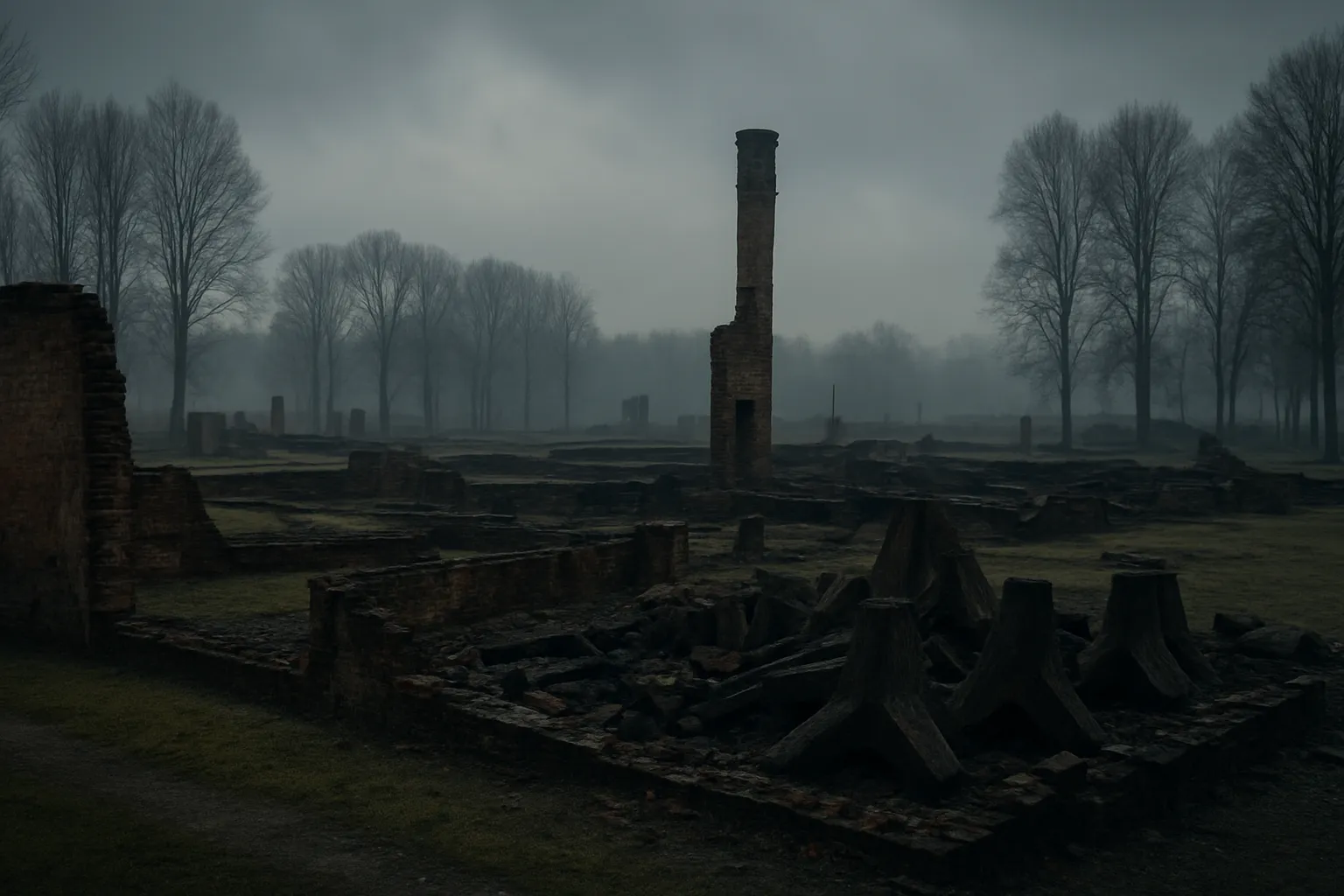
The dark tourism trend is capturing attention in India, as various news stories highlight the increasing interest in themes of darkness across different contexts. Notably, the rise of dark tourism, where travelers seek experiences at sites of death and tragedy, has piqued curiosity. This trend is not only rooted in historical significance but also intertwined with contemporary geopolitical tensions, such as the dark plots involving China and missile shipments to Bangladesh, which have raised security concerns in India.
The fascination with the BBC News on Dark Tourism reveals how individuals are drawn to experiences that are steeped in history and mystery. As travelers explore these sites, they are often confronted with the stark realities of past events, offering a unique perspective that combines education and reflection. This trend is increasingly visible in India, where historical sites of tragedy are becoming popular destinations for those seeking a deeper understanding of human experiences.
Understanding the Dark Tourism Trend
Dark tourism refers to the practice of visiting locations that are historically associated with death, tragedy, or disaster. It provides travelers an opportunity to delve into the darker aspects of history and gain insights into the societal impacts of these events. Although this phenomenon has existed for centuries, it has evolved significantly in recent years, fueled by the global sharing of information and increased accessibility to remote locations.
Historically, sites like battlefields and cemeteries have attracted visitors seeking to pay homage or to understand the past. In India, the dark tourism trend is gaining momentum as more people show interest in sites like the Jallianwala Bagh memorial, which commemorates the tragic massacre of 1919. Current statistics indicate a growing number of tourists visiting these somber locations, reflecting a broader curiosity about history’s darker chapters.
The increasing interest in dark tourism has prompted discussions on how such sites can be preserved and presented to educate visitors while respecting the memory of those affected. As the trend continues to grow, India is poised to become a significant player in the global dark tourism market, offering unique experiences that cater to this niche interest.
Reasons Behind the Rise of Dark Tourism
Several factors contribute to the rising popularity of dark tourism. A primary motivation is the curiosity about history and human experiences that are often shrouded in tragedy. Visitors are drawn to these sites not only to learn about historical events but also to reflect on the human condition and the resilience of those who endured such ordeals.
Social media plays a crucial role in promoting dark tourism. Platforms like Instagram and Facebook allow travelers to share their experiences, thereby piquing the interest of others. This digital exposure has led to a surge in visitors who seek unique and educational travel experiences that carry a deeper meaning.
Psychological motivations also drive individuals to these sites. For some, visiting locations of tragedy provides a sense of connection to the past, while for others, it may offer a form of catharsis. The emotional impact of standing in a place where significant events occurred can be profound, leaving a lasting impression on the visitor.
Popular Dark Tourism Destinations in India
India is home to several sites that attract dark tourism enthusiasts. These locations hold historical significance and offer a glimpse into the country’s tumultuous past. The Jallianwala Bagh memorial in Amritsar, for instance, is a poignant reminder of the tragic massacre that took place in 1919, where hundreds of unarmed civilians were killed by British troops.
Another notable site is the Cellular Jail in the Andaman Islands, where Indian freedom fighters were imprisoned and tortured during the colonial era. This site has become a symbol of the struggle for independence and attracts visitors who wish to honor the sacrifices made by these brave individuals.
- Jallianwala Bagh Memorial, Amritsar
- Cellular Jail, Andaman Islands
- Kumbh Mela Tragedy Sites
Culturally, these sites are viewed with a mix of reverence and curiosity. While some see them as places of mourning, others perceive them as opportunities for reflection and learning. The cultural perspectives on visiting these sites vary, but they undeniably play a role in preserving history and educating future generations.
Global Perspective on Dark Tourism
Dark tourism is not unique to India; it is a global phenomenon with widespread appeal. Countries like Poland and Ukraine have long been destinations for those interested in dark tourism, with sites such as Auschwitz and Chernobyl drawing thousands of visitors annually. These locations serve as powerful reminders of past atrocities and offer lessons in resilience and recovery.
In comparison to other countries, India’s dark tourism sites are still emerging in terms of international recognition. However, the impact on local economies can be significant. Dark tourism can bring much-needed revenue to areas that may not otherwise attract tourists, providing opportunities for economic development and cultural exchange.
Globally, dark tourism continues to grow as people seek out experiences that challenge their perceptions and offer deeper insights into human history. As the world becomes more interconnected, the sharing of these experiences helps to foster a greater understanding of our shared past and its influence on the present.
Geopolitical Implications of Dark Tourism
The intersection of dark tourism with geopolitical issues is an emerging area of interest. In India, concerns about safety and security are heightened by geopolitical tensions, such as the alleged dark plots involving China and missile shipments to Bangladesh. These developments have raised alarms regarding the potential implications for tourism and regional stability.
Dark tourism sites can become focal points for political discourse, as they often highlight historical conflicts and tragedies that remain relevant today. The influence of China in India’s geopolitical landscape further complicates the narrative, as these sites may also become arenas for diplomatic and cultural exchanges.
While dark tourism offers opportunities for education and reflection, it also necessitates heightened security measures to ensure the safety of visitors. As geopolitical tensions continue to evolve, the role of dark tourism in India’s international relations will likely become more pronounced, requiring careful navigation to balance tourism interests with national security concerns.
Ethical Considerations of Dark Tourism
The ethics of dark tourism are a subject of considerable debate. Critics argue that visiting sites of tragedy can be exploitative, commodifying human suffering for profit. This raises questions about the morality of such visits and the responsibilities of both tourists and operators in preserving the dignity of these locations.
Tourism can significantly affect the memory of tragic events, particularly when commercial interests overshadow educational purposes. It is crucial to maintain a balance between providing informative experiences and respecting the sanctity of these sites. Operators must ensure that tours are conducted in a manner that honors the memory of those affected.
Balancing education and exploitation is an ongoing challenge in dark tourism. As interest in these sites grows, it is essential to develop guidelines that promote ethical practices and preserve historical integrity. By doing so, dark tourism can serve as a vehicle for learning and remembrance, rather than mere entertainment.
The Future of Dark Tourism in India
The future of the dark tourism trend in India appears promising, with potential developments in tourism policies and infrastructure to accommodate growing interest. As more travelers seek these unique experiences, the industry must adapt to meet demand while addressing ethical and logistical challenges.
Predictions for the dark tourism trend suggest an increase in both domestic and international visitors to India’s sites of historical tragedy. This growth presents opportunities for economic development and cultural preservation, provided that efforts are made to ensure the sustainability and integrity of these locations.
To capitalize on this trend, India may consider implementing policies that promote ethical tourism practices and enhance visitor experiences. By fostering an environment that encourages education and reflection, the country can position itself as a leader in the global dark tourism market, offering meaningful journeys into the depths of human history.
Frequently Asked Questions
What is dark tourism?
Dark tourism involves visiting sites associated with death, tragedy, and suffering. It allows travelers to explore historical events and their impact on society.
Why is dark tourism becoming popular?
The rise in dark tourism is driven by curiosity, social media influence, and a desire for unique experiences that offer insight into human history.
What are some examples of dark tourism sites?
Examples include sites like the Auschwitz concentration camp, Chernobyl, and in India, locations like the Jallianwala Bagh memorial, which commemorate tragic events.
Are there ethical concerns related to dark tourism?
Yes, ethical concerns include the potential exploitation of tragedies for profit and the need to respect the memory of those affected by historical events.
Conclusion
The dark tourism trend continues to intrigue travelers in India and beyond, offering a path to explore the depths of human history through sites of tragedy. While the trend presents opportunities for education and economic growth, it also poses challenges related to ethics and geopolitics. As India embraces this niche market, the focus must remain on preserving the integrity of these sites and ensuring respectful engagement with the past. By doing so, dark tourism can contribute to a deeper understanding and appreciation of human experiences, past and present.