
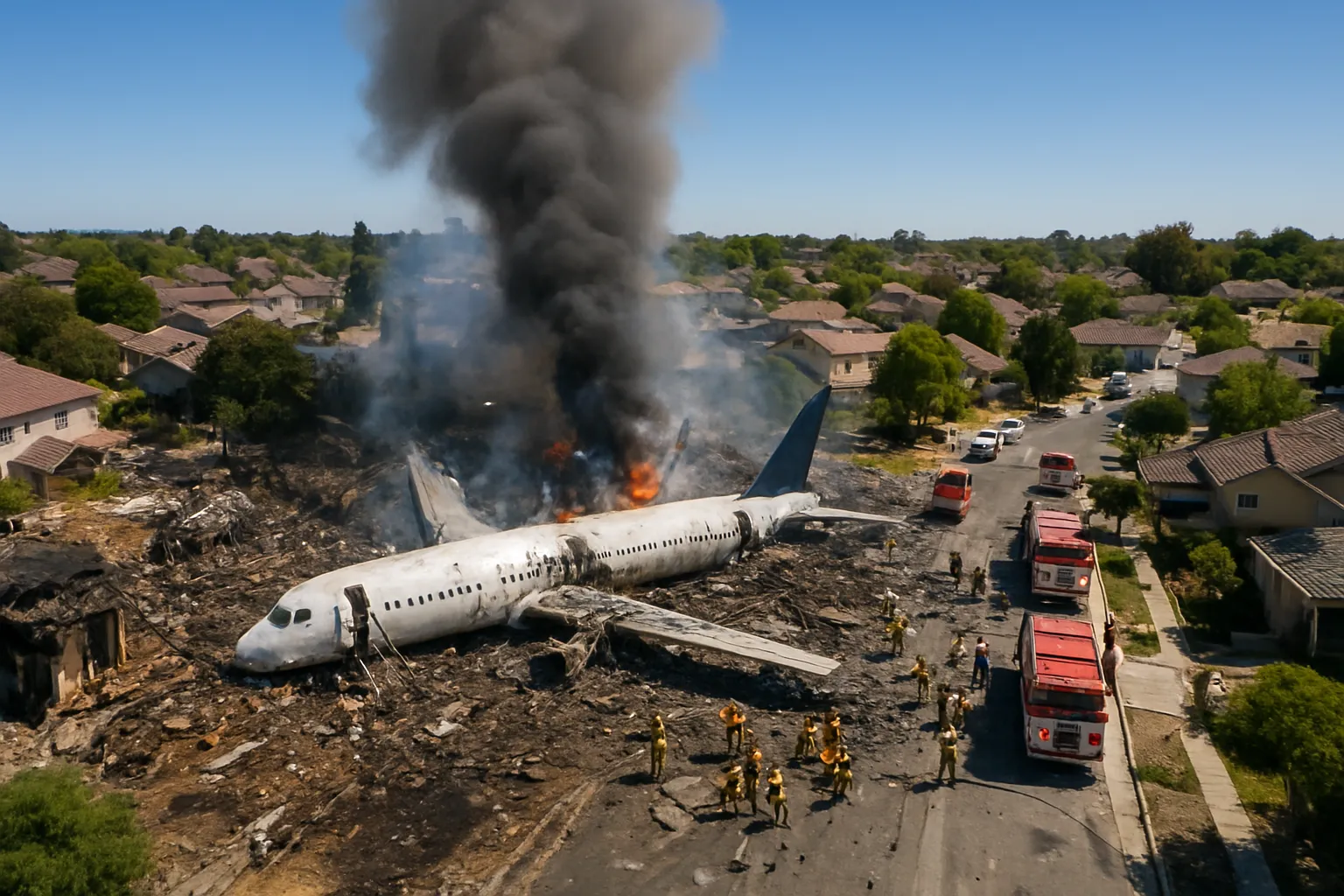
The Learjet 60 crash in Greenacres, Palm Beach County, Florida, resulted in the tragic deaths of all nine individuals on board. The aircraft, a business jet renowned for its luxury and speed, reportedly nose-dived and crashed into a mobile home park, igniting a significant fire. Eyewitnesses described the crash as sounding like a missile, and videos capturing the terrifying event have surfaced online, providing a grim testimony to the incident.
This accident marks a devastating chapter in aviation safety, raising questions about the causes behind the Learjet 60 crash. As investigators from the Federal Aviation Administration (FAA) and the National Transportation Safety Board (NTSB) begin their work, the community mourns the loss of life and grapples with the aftermath. Initial reports indicate a catastrophic failure, but the exact details remain under investigation.
Learjet 60 Crash Overview
The Learjet 60 crash occurred in Greenacres, a suburban area of Palm Beach County, Florida. The accident happened on a clear day, amplifying the shock as such incidents are rare in conditions of good visibility. The business jet was on a routine flight when it unexpectedly plummeted to the ground. The crash’s proximity to a populated area exacerbated the disaster, causing further concern among residents.
Initial reports from the scene highlighted the immediate devastation caused by the crash. Eyewitnesses noted that the jet appeared to be in distress before it nosedived into the mobile home park. The impact was so intense that it sparked a fire, adding to the destruction. Videos shared on social media platforms have confirmed eyewitness accounts, showing flames and smoke engulfing the crash site. The incident has heightened awareness of aviation safety and the potential risks associated with air travel, particularly in densely populated areas.
Casualties and Victims
Tragically, all nine people aboard the Learjet 60 were killed in the crash. The victims included both crew members and passengers, though their identities have not been publicly released pending notification of their families. This devastating loss has sent shockwaves through the community and beyond, as friends and relatives grapple with the sudden and unexpected tragedy.
Reactions from families and the community have been heartfelt and sorrowful. Many have gathered to pay their respects and support one another during this difficult time. The local authorities have extended their condolences and offered assistance to the bereaved families, acknowledging the profound impact of this Learjet 60 crash on everyone involved. The tragedy has underscored the need for comprehensive support systems for those affected by aviation disasters, as well as the importance of community solidarity in times of crisis.
Crash Investigation
The investigation into the Learjet 60 crash is being led by the FAA and NTSB. These agencies are tasked with determining the cause of the crash, examining the wreckage, and analyzing any data from the flight. Initial findings are crucial in understanding what went wrong during the flight.
The FAA and NTSB have already commenced their investigation, which is expected to be thorough and detailed. They will likely analyze the aircraft’s maintenance records, pilot records, and any communications made during the flight. The timeline for the investigation is uncertain, but such inquiries can often take several months to conclude, with a final report providing recommendations for future aviation safety. This process is vital for ensuring that lessons are learned and that preventative measures are put in place to avoid similar tragedies in the future.
Eyewitness Accounts
Eyewitnesses to the Learjet 60 crash have provided vivid descriptions of the event. Many reported hearing a loud noise, akin to a missile, followed by the sight of the jet descending rapidly. The impact was followed by a large explosion, which shook nearby homes and buildings. Witnesses were quick to respond, with some capturing the incident on video, which has since been circulated widely on social media.
The community’s response has been one of shock and mourning. Residents have come together to offer support to those directly affected by the crash, demonstrating a collective sense of grief and resilience. The incident has also drawn attention to the potential risks of living near flight paths, prompting discussions on aviation safety and emergency preparedness. Such firsthand accounts are invaluable for investigators, providing crucial insights into the crash dynamics and the sequence of events leading up to the tragedy.
Impact on Local Area
The Learjet 60 crash caused significant damage to the mobile home park where it landed. Several homes were destroyed by the impact and ensuing fire, displacing residents and leaving many without shelter. Emergency response teams were quick to arrive at the scene, providing firefighting and medical assistance to those in need.
The local community has rallied to support those affected by the crash. Efforts are underway to provide temporary housing and essential supplies to displaced residents. Local charities and organizations have also stepped in to offer aid, highlighting the community’s strength and solidarity in times of crisis. This community-driven response underscores the importance of preparedness and resilience in the face of unexpected disasters, as well as the critical role of local support networks in recovery efforts.
Safety Measures in Aviation
In light of the Learjet 60 crash, questions about aviation safety have resurfaced. The Learjet 60 is generally considered a reliable aircraft with a strong safety record. However, like all aircraft, it requires regular maintenance and adherence to safety protocols to ensure safe operation.
Previous incidents involving similar aircraft have led to improvements in safety regulations and procedures. Regulatory bodies continuously update guidelines to enhance aviation safety, focusing on pilot training, aircraft maintenance, and emergency response strategies. These measures aim to prevent future tragedies and ensure the safety of all passengers and crew members. The aviation industry remains committed to learning from past incidents and implementing robust safety measures to minimize risks and protect lives.
- Learjet 60 has a good safety record.
- Regular maintenance is crucial for aircraft safety.
- Regulatory bodies work to improve aviation safety continuously.
Frequently Asked Questions
What caused the Learjet 60 crash?
The cause of the Learjet 60 crash is still under investigation by the FAA and NTSB. Preliminary reports suggest a possible nose-dive before impact.
How many people were on board the Learjet 60?
There were nine people on board the Learjet 60, all of whom tragically lost their lives in the crash.
Where did the Learjet 60 crash occur?
The Learjet 60 crashed in Greenacres, Palm Beach County, Florida, specifically hitting a mobile home park.
What are the next steps in the investigation?
The FAA and NTSB will conduct a thorough investigation, which may take several months. They will analyze the wreckage and gather eyewitness accounts.
For more information, visit BBC News on Learjet 60 crash.
Conclusion
The Learjet 60 crash in Greenacres, Palm Beach County, Florida, underscores the importance of stringent aviation safety measures and robust investigative processes. As the community mourns the tragic loss of nine lives, the FAA and NTSB continue to probe the incident, seeking answers and solutions to prevent future occurrences. This accident serves as a somber reminder of the risks involved in aviation and the ongoing need for vigilance and improvement in safety standards. The lessons learned from this tragic event will be crucial in shaping future aviation policies and ensuring that such devastating incidents are prevented.